










Trust is one of the most important foundations of a healthy relationship.
Without trust, even strong feelings can become difficult to maintain.
When people trust each other, they usually feel:
- More comfortable expressing themselves
- More secure in the relationship
- More confident about the future
- More connected emotionally
However, trust is not created through words alone.
Saying “I trust you” is meaningful, but true trust develops through consistent actions, honest communication, and mutual respect.
A strong relationship is built when both people feel safe, valued, and understood.
Be Honest in Everyday Communication
Honesty is one of the most important ways to build trust.
Many people think honesty only matters when dealing with major issues.
However, trust is also created through everyday communication.
This includes:
- Sharing your thoughts openly
- Expressing your feelings
- Being clear about your intentions
- Talking about concerns instead of hiding them
For example, if something is bothering you, avoiding the conversation may create distance.
A respectful conversation can often prevent small issues from becoming larger problems.
Honesty does not mean saying everything without considering the other person’s feelings.
Healthy honesty combines truth with kindness.
Keep Your Promises and Be Reliable
Trust grows when people know they can depend on each other.
Small actions often have a big impact.
Examples include:
- Following through on commitments
- Being on time when possible
- Remembering important things
- Doing what you say you will do
A person does not become trustworthy because of one impressive action.
Trust develops when someone consistently shows reliability over time.
When your actions match your words, your partner can feel more secure in the relationship.
Create Emotional Safety
A healthy relationship should feel like a safe place where both people can express themselves.
Emotional safety means being able to:
- Share feelings without fear
- Talk about concerns openly
- Admit mistakes
- Show vulnerability
People are more likely to open up when they believe they will be respected.
For example, if someone shares a personal concern, responding with understanding instead of criticism can strengthen trust.
A relationship becomes stronger when both people feel they can be their authentic selves.
Listen Without Immediately Judging
Good communication is not only about speaking.
It is also about listening.
Many relationship problems happen because people listen only to respond instead of trying to understand.
Active listening includes:
- Paying attention
- Asking questions
- Acknowledging feelings
- Avoiding immediate assumptions
For example:
Instead of saying:
“You are overreacting.”
Try:
“I understand why that situation made you feel that way. Can you tell me more?”
Feeling heard can create a stronger emotional connection.
Respect Each Other’s Boundaries
Trust also means respecting personal boundaries.
A healthy relationship allows both people to have:
- Personal space
- Individual interests
- Private thoughts
- Independent friendships
Being close to someone does not mean controlling every part of their life.
Respecting boundaries shows that you value the other person as an individual.
For example, allowing your partner time for their own hobbies or friendships can actually strengthen the relationship.
Healthy independence and emotional connection can exist together.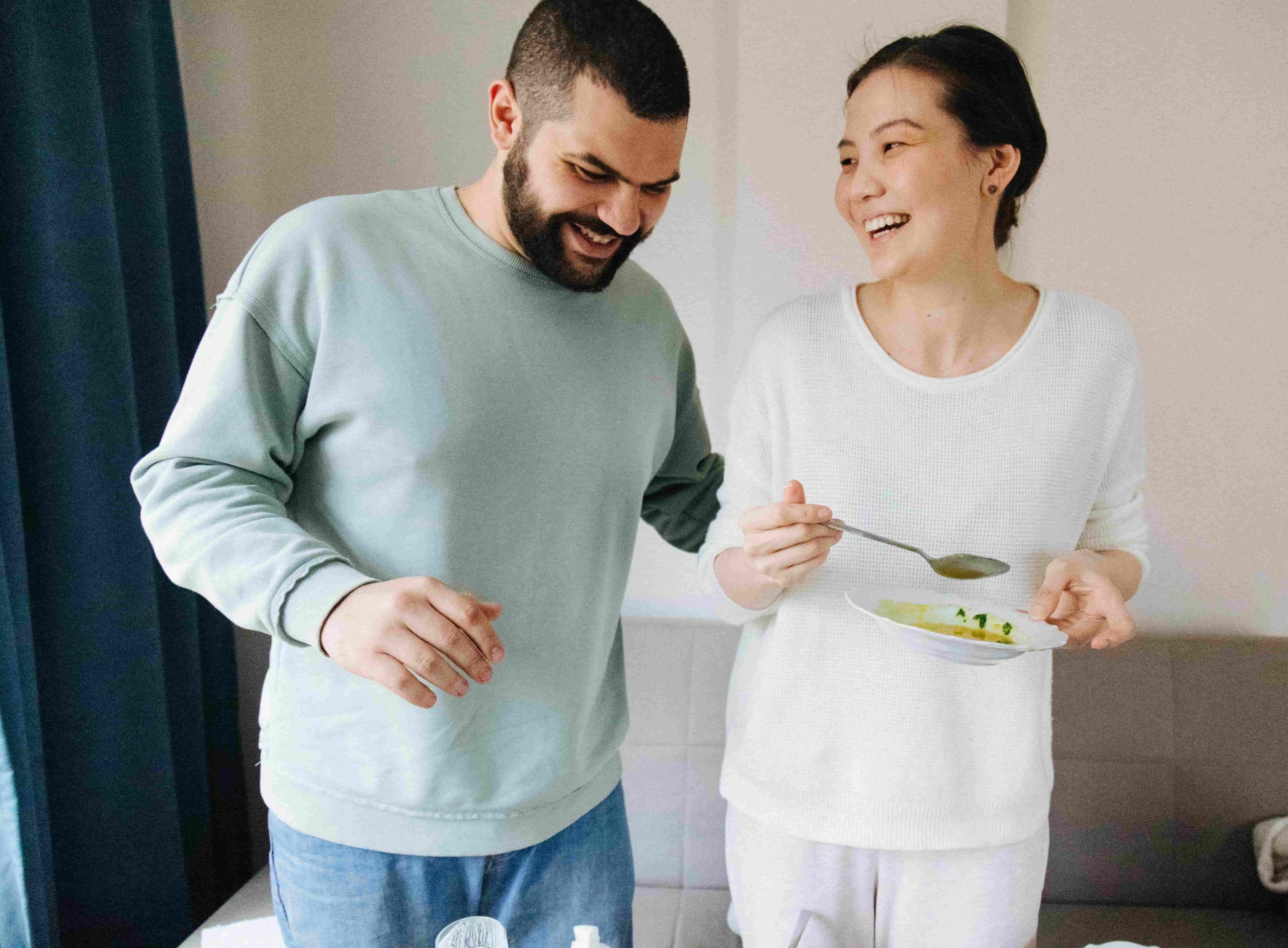
Be Consistent Over Time
Trust is not built in a single moment.
It develops through many small interactions.
A romantic gesture may create a happy memory, but daily behavior creates lasting trust.
Consistency can include:
- Regular communication
- Emotional support
- Respectful behavior
- Reliable actions
When someone knows what to expect from you, the relationship often feels more stable.
Trust becomes stronger when people experience safety repeatedly.
Communicate During Difficult Moments
Every relationship experiences challenges.
Disagreements, misunderstandings, and stressful situations are normal.
The important question is not whether problems happen.
It is how two people handle them.
Healthy conflict involves:
- Staying respectful
- Explaining feelings calmly
- Listening to each other
- Looking for solutions together
Avoiding every difficult conversation may seem easier in the short term, but unresolved issues can damage trust over time.
Honest discussions can help couples understand each other better.
Avoid Behaviors That Damage Trust
Some behaviors can gradually weaken trust in a relationship.
These may include:
Dishonesty
Small lies can create uncertainty and make communication more difficult.
Breaking Promises Repeatedly
Occasional mistakes happen.
However, consistently failing to keep commitments can make someone feel they cannot rely on you.
Ignoring Feelings
When someone’s emotions are repeatedly dismissed, they may feel disconnected.
Avoiding Communication
Silence does not always solve problems.
Healthy relationships require both people to participate in conversations.
Rebuild Trust After It Has Been Damaged
Sometimes trust is damaged because of mistakes, misunderstandings, or difficult experiences.
Rebuilding trust takes time.
It usually requires:
Taking Responsibility
Acknowledging what happened is an important first step.
Avoiding responsibility often makes the situation worse.
Showing Consistent Change
Promises alone may not repair trust.
People need to see changed behavior over time.
Being Patient
Rebuilding trust does not happen instantly.
The person who was hurt may need time to feel secure again.
Communicating Openly
Honest conversations can help both people understand what happened and what needs to improve.
A damaged relationship can sometimes become stronger when both people are willing to work together.
Show Appreciation Regularly
Trust grows in an environment where people feel valued.
Small expressions of appreciation can strengthen emotional connection.
Examples:
- Thanking your partner
- Recognizing their effort
- Showing affection
- Expressing gratitude
Many relationships focus heavily on problems and forget to appreciate positive moments.
Feeling valued encourages people to continue investing in the relationship.
Support Each Other’s Growth
A strong relationship allows both people to continue developing.
Supporting your partner means encouraging:
- Personal goals
- New experiences
- Learning opportunities
- Individual growth
A relationship should not limit someone’s development.
Instead, it should create a supportive environment where both people can become better versions of themselves.
Build Trust Through Everyday Choices
Trust is created through many ordinary moments.
It can be found in:
- Keeping a promise
- Listening carefully
- Showing respect
- Being honest
- Offering support
These actions may seem small, but they create the foundation of a strong relationship.
Long-term trust is usually the result of consistent care.
Conclusion
Trust is not something that appears automatically in a relationship.
It is something two people build together over time.
Through honest communication, reliable actions, emotional support, and mutual respect, couples can create a stronger and healthier connection.
A relationship becomes more meaningful when both people feel safe enough to be themselves.
Trust is not built through perfection.
It is built through the daily choices two people make to understand, respect, and support each other.