










Uncontrollable crying can make people feel depressed, uncomfortable, awkward, and exhausted. Understanding the reasons for crying and learning how to control it can often bring great comfort.
Sometimes, even though people don’t want to cry, they still feel the urge to cry. Although crying itself is not wrong, there are ways to control and prevent the occurrence of crying.
It should be noted that crying may be a sign of deeper problems, and if someone suspects they have this issue, they should go see a doctor.
Regarding crying:
Some people rarely cry even in very sad situations, while others find that even small things can disappoint them.
There is no cure for crying.
Crying is a normal response to various emotional stimuli.
Treatment is very helpful, especially for patients with emotional disorders.
Other management techniques can also help control crying.
Types of crying
Humans can produce three types of tears, each with a different function.
Ji Tears
Basic tears can ensure that the eyes are not dry and always present in the eye. Humans produce approximately 5 to 10 ounces of basal tears per day.
Reflexive tears
The production of reflex tears is to protect the eyes. If smoke or dust enters the eyes, or if the eyes are stimulated, the nerves in the cornea will transmit information to the brain, triggering the production of reflex tears.
Emotional tears of excitement
Emotional tears. When a person feels a certain emotion, the brain (anterior part of the brain) records this emotion and triggers the secretion of a hormone, leading to the formation of emotional tears.
What are tears made of?
Tears are composed of protein, water, mucus, and oil. However, the composition of different types of tears may vary. For example, 98% of tears are water, while emotional tears contain various chemicals, proteins, and hormones.
How many people cry too much?
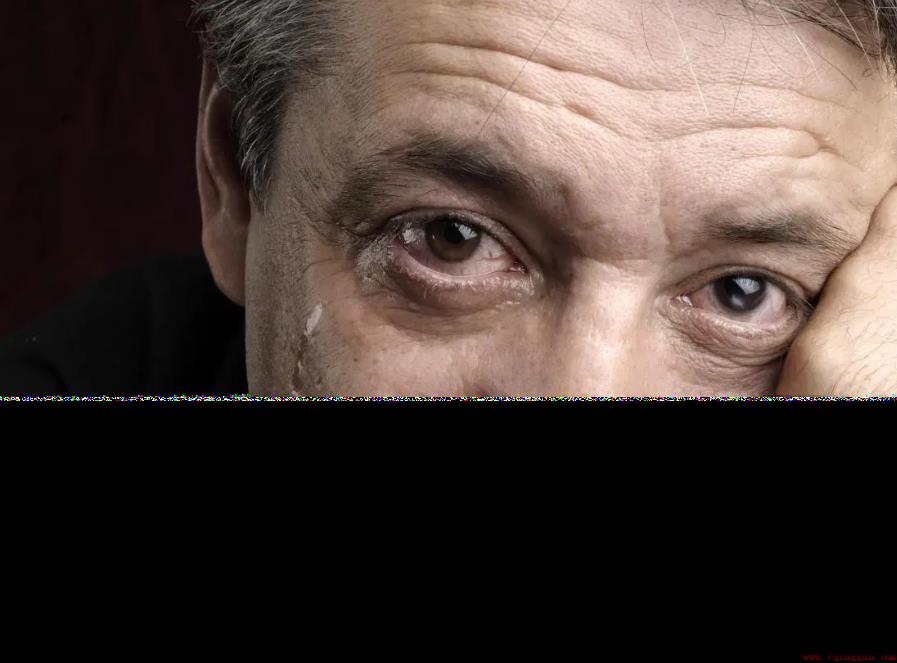
The irregular frequency of crying depends on individual feelings and whether repeated crying affects daily life, interpersonal relationships, and other aspects.
Crying is normal, and there are many reasons for crying. Some common reasons for crying include:
frustration
afraid
Received bad news
Missing someone
empathy
Sad memories
anger
influence
Feeling lost and bewildered
Relationship breakdown
happiness
Techniques for Controlling Crying
Psychological methods
Go away
Leaving a certain situation is an effective way to calm emotions and stop shedding tears. Excessive anger, frustration, or depression can all lead to crying, so if the emotions are calm and you allow yourself to leave for a period of time before coming back, it can help people regain control of their emotions.
2. Vocabulary
Poor communication can lead to anger and frustration, which in turn can trigger the urge to cry. Learning how to express emotions clearly, stay calm, and use appropriate language can help prevent tears.
3. Use props and shift attention
In situations where crying may occur, some graffiti, pressure balls, or conspicuous objects can be used. Shifting attention is another commonly used method. Focusing on a certain activity or task, listening to some uplifting music, or starting a conversation can also be helpful.
4. Think of something positive or interesting
Try to replace negative thoughts with positive ones, or think of something interesting or silly. Seeing the relaxed and interesting side in a tense situation can make things simpler and reduce the likelihood of people crying.
Physical methods
5. Focus on breathing
Taking deep breaths and focusing on slow and calm breathing can help restore control.
6. Blinking and turning eyes
Rotate your eyes, blink your eyes, and tears won’t come out.
7. Relax facial muscles
When people cry, their facial muscles often become tense. Pay attention to facial muscles and relax them to help prevent crying.
8. Eliminate throat lumps
Emotional crying can also affect the nervous system. One way to cope is to open the muscles at the back of the throat (called the glottis). I feel like there’s a foreign body sensation in my throat. Taking small sips of water, swallowing, and yawning can help eliminate this foreign body sensation.
9. Do some exercise
The release of endorphins during exercise may cause serious physiological disorders, leading to anxiety.
How to avoid triggering factors

The key to avoiding triggering factors is to understand and identify things that make people cry. This can help them better control their emotions, as they can detect and prevent familiar thought patterns before crying arrives.
Some strategies include:
Admitting emotions
Sometimes crying is a reflex behavior because people find it difficult to acknowledge their feelings.
Instead of crying to cover up the problem, it is more helpful to try to understand the cause of the pain and propose practical solutions.
Modify behavior
Behavior correction refers to guiding a person to focus their attention on their own thoughts and behaviors, identifying the triggers that cause them to cry. This can help them find coping mechanisms to obtain assistance. The more times a person repeats these words, the more they can control their emotions.
Conversing with people
Talking to people, whether they are trustworthy friends, family, or professionally trained individuals (such as therapists), can help a person solve problems, relieve stress, and feel more free.
Write down.
Some people find that keeping a diary or recording their emotions is a beneficial way to explore their feelings, discover patterns, and identify the root causes of problems that need to be solved.
Crying and Mental Health
Crying is a normal phenomenon in life, but excessive crying may represent multiple emotions. Personality disorders usually require the help of professionals to control. Some common emotional disorders include:
frustrated
anxiety disorder
Pseudo medullary effect (PBA) – intense anger or sudden, inexplicable laughter or crying
Although crying is completely normal and acceptable, if someone suspects that their crying level is above normal or that crying is interfering with their daily life, they should seek help and advice from medical professionals.
Crying itself can sometimes be helpful and make people feel much better, so people should not try to hide their tears, suppress their emotions, or endure pain alone.